



Marketing

Product Designer

Support Desk

Marketing










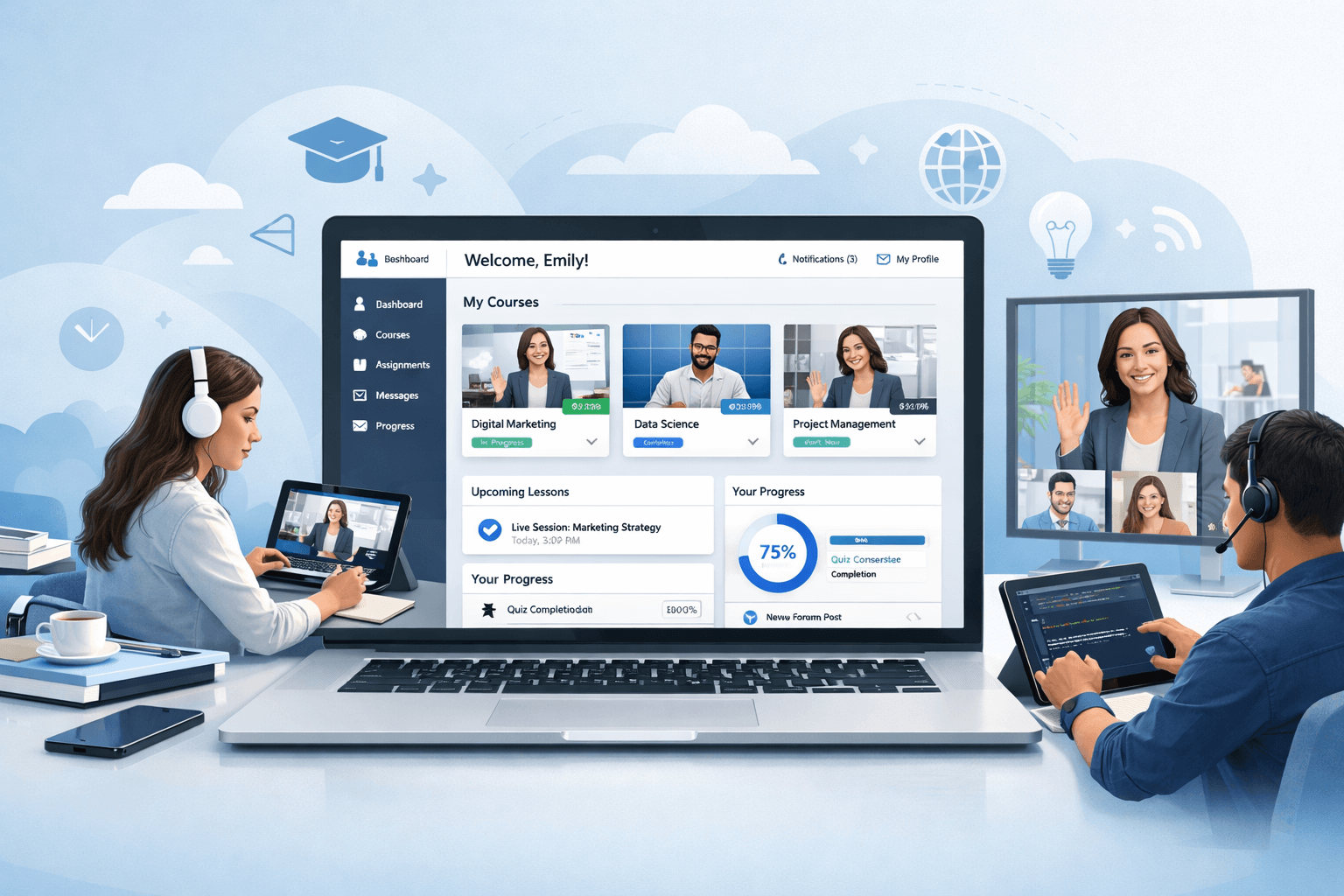
The online education market is growing faster than ever. Coaches, educators, institutes, and businesses are all looking to monetize knowledge through digital courses. One of the most important decisions in this journey is choosing how to deliver and sell those courses. Should you build your own LMS website, or should you sell courses through a course marketplace? Both models work—but they serve very different goals. In this detailed, SEO-focused guide, we’ll clearly explain what an LMS website is, what a course marketplace is, and the pros and cons of each, so you can choose the right option for your business. What Is an LMS Website? An LMS (Learning Management System) website is a fully owned online learning platform where you create, manage, sell, and deliver courses under your own brand. With an LMS website, everything—from design and user experience to pricing and student data—is controlled by you. Students visit your website, enroll in your courses, and interact with your brand throughout their learning journey. Key Features of an LMS Website An LMS website is ideal for building a long-term education business rather than just selling individual courses. What Is a Course Marketplace? A course marketplace is a third-party platform where multiple instructors list and sell their courses to a shared audience. Instead of building your own website, you upload your course content to the marketplace, and the platform handles hosting, payments, and basic marketing. Students discover your course while browsing the marketplace alongside thousands of others. Key Characteristics of a Course Marketplace Course marketplaces focus on volume and exposure, not brand ownership. LMS Website vs Course Marketplace: Core Differences Aspect LMS Website Course Marketplace Brand Identity Fully yours Platform-focused Student Ownership Complete access Limited or none Pricing Control Full flexibility Restricted Custom Features Fully customizable Fixed structure Marketing Your strategy Platform-driven Scalability High Limited Pros and Cons of an LMS Website Advantages of an LMS Website 1. Full Brand ControlYour website reflects your identity, messaging, and teaching style. Students remember you, not the platform. 2. Higher Revenue RetentionYou keep 100% of course revenue without sharing commissions. 3. Flexible Monetization ModelsSell single courses, bundles, memberships, or subscriptions—whatever fits your business model. 4. Direct Student RelationshipYou own student emails, learning data, and engagement metrics, allowing better retention and upselling. 5. Long-Term ScalabilityAn LMS website grows with your business—new courses, communities, certifications, and corporate training programs can be added anytime. Disadvantages of an LMS Website Despite these challenges, an LMS website is the best option for creators focused on long-term growth and brand value. Pros and Cons of a Course Marketplace Advantages of a Course Marketplace 1. Quick StartYou can publish a course quickly without building a website. 2. Built-In AudienceMarketplaces already have traffic, which can help beginners get early sales. 3. Minimal Technical WorkNo hosting, security, or maintenance responsibilities. Disadvantages of a Course Marketplace 1. Limited Brand VisibilityStudents remember the platform, not the instructor. 2. High Revenue SharingA percentage of every sale goes to the marketplace. 3. No Student OwnershipYou don’t fully own student data or relationships. 4. Pricing RestrictionsDiscounts and pricing are often controlled by the platform. 5. Growth LimitationsScaling beyond basic course sales is difficult. Marketplaces are best for testing course ideas, not building a standalone education brand. Cost & Long-Term Value Comparison LMS Website Course Marketplace An LMS website is an investment, while a course marketplace is a short-term distribution channel. SEO, Marketing & Growth Potential If organic growth, authority building, and repeat sales matter to you, an LMS website is the stronger choice. Final Verdict: Which Should You Choose? Choose an LMS Website if: Choose a Course Marketplace if: 💡Best approach: Many creators start with a marketplace to validate demand, then move to an LMS website to gain control, profitability, and brand authority. Build Your LMS Website with Experts If you’re ready to create a custom LMS website that reflects your brand, supports growth, and delivers a seamless learning experience, our LMS Website Development Services can help you plan, design, and launch the right solution.
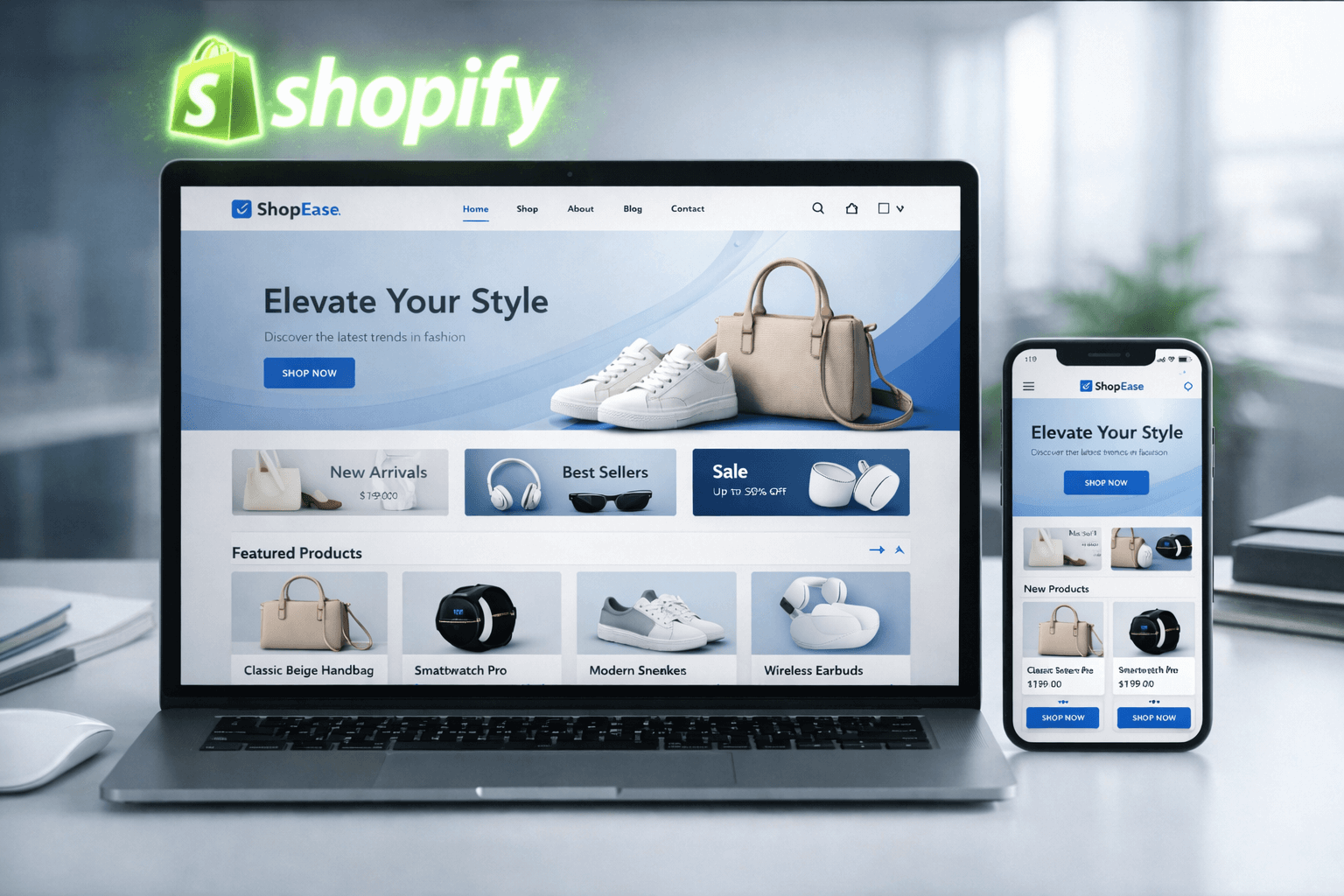
Choosing the right eCommerce platform is a critical decision that directly affects your sales, scalability, branding, and long-term growth. Two popular options dominate this decision: Shopify and Custom eCommerce Development. In this SEO-focused guide, we’ll compare Shopify vs Custom eCommerce in a clear, practical way—so you can confidently choose the solution that aligns with your business goals. What Is Shopify? Shopify is a hosted eCommerce platform that allows businesses to launch an online store quickly without worrying about servers, security, or technical maintenance. Shopify is widely used by startups and growing brands because it offers an all-in-one solution for selling online. Shopify Key Benefits 👉Best for: Startups, small businesses, and brands that want quick results. What Is Custom eCommerce Development? Custom eCommerce development involves building an online store tailored specifically to your brand, business model, and user experience—without platform limitations. This approach gives you complete control over design, features, performance, and integrations. Custom eCommerce Key Benefits 👉Best for: Growing brands, enterprises, and businesses with complex requirements. Shopify vs Custom eCommerce: Quick Comparison Feature Shopify Custom eCommerce Setup Speed Very fast Moderate Initial Cost Low Higher Customization Limited Unlimited Scalability Platform-based Fully scalable Ownership Platform dependent Full ownership Performance Control Limited Complete control When Shopify Is the Right Choice Shopify is ideal if: If you’re looking for professional setup, theme customization, or performance optimization, explore our Shopify Development Services to launch a conversion-focused store. When Custom eCommerce Is the Better Choice Custom eCommerce is the right fit if: For brands that want complete flexibility, our Custom eCommerce Development Services help build scalable, high-performance online stores tailored to your business. Cost Consideration: Short-Term vs Long-Term Shopify Costs ✔ Lower upfront cost✖Higher long-term dependency Custom eCommerce Costs ✔Higher upfront investment✔ Lower long-term platform dependency SEO & Performance Comparison Brands focused on organic growth and performance marketing often benefit more from custom solutions. Final Verdict: Shopify or Custom eCommerce? Choose Shopify if: Choose Custom eCommerce if: 💡Pro tip: Many brands start with Shopify and migrate to custom eCommerce as they scale. Need Expert Guidance? Choosing the wrong platform can slow growth and increase costs later. Whether you need a Shopify store, a custom-built eCommerce platform, or help deciding the right approach, our team can help you build a solution that scales with your brand. 👉Explore our eCommerce Development Services and get started with confidence.

A Complete Guide to Benefits, Risks of Not Having One, and Real Business Impact In 2026, having a website is no longer optional—it is a core business requirement. Whether you run a startup, local business, service-based company, or an established brand, your website acts as your digital headquarters. Customers today expect businesses to be online, searchable, credible, and accessible 24/7. If your business doesn’t have a website, you’re not just missing opportunities—you’re actively losing customers to competitors who do. This detailed guide explains why every business needs a website in 2026, the benefits, the risks of not having one, and how it directly affects trust, sales, and growth. What a Website Means for a Business in 2026 A website is no longer just an “online brochure.” In 2026, a business website functions as: In many cases, your website is the first and most important interaction customers have with your brand. Top Benefits of Having a Website in 2026 1. Builds Instant Trust & Credibility Today’s customers research before they buy. If they search for your business and can’t find a website, it raises red flags. A professional website: 👉Without a website, many customers assume the business is outdated or unreliable. 2. You Are Discoverable on Google (SEO Advantage) In 2026, most buying journeys still begin with a Google search. A website allows your business to: Website vs No Website: Search Visibility Factor With Website Without Website Google visibility High Almost none Organic leads Yes No Local search presence Strong Weak Long-term traffic Grows over time Zero No website = no search traffic = lost customers every day. 3. 24/7 Availability = More Sales Unlike physical stores or phone support, a website works 24 hours a day, even when you’re offline. Your website can: This turns your website into a non-stop sales assistant. 4. Full Control Over Your Brand Relying only on social media platforms is risky. With a website: Website vs Social Media Only Presence Aspect Website Social Media Only Ownership 100% yours Platform-owned Algorithm dependency None High Custom branding Full Limited Stability Long-term Unpredictable Social media supports your business—but your website anchors it. 5. Converts Visitors into Leads & Customers A well-designed website is built for conversion. It can include: Without a website, interested users often don’t know what to do next, leading to lost leads. 6. Improves Customer Experience Customers expect answers instantly. A website helps by providing: This reduces repetitive inquiries and improves customer satisfaction. 7. Data, Analytics & Business Insights A website allows you to track: This data helps you: Without a website, your decisions are based on guesswork, not data. How Businesses Lose Customers Without a Website Not having a website directly results in lost trust, lost visibility, and lost revenue. Common Customer Drop-Off Scenarios Situation What Customer Thinks Result No website found “Is this business legit?” Leaves Only social media “Where are the details?” Confused No pricing info “Too risky” Drops inquiry No contact clarity “Hard to reach” Chooses competitor Customers rarely tell you they left—they simply move on. Impact on Small & Local Businesses For local businesses in 2026: A website helps local businesses: No website means local customers go elsewhere. Cost vs Value: Website as an Investment Common Misconception “A website is an expense.” Reality A website is a revenue-generating asset. Factor Website One-time setup Yes Long-term returns High Scalability Unlimited Cost per lead Decreases over time In most cases, a website pays for itself faster than any other marketing channel. Website in 2026: Not Just Design, But Strategy Modern websites focus on: A properly built website becomes the foundation of all digital marketing efforts. Final Thoughts: Website Is No Longer Optional In 2026: Businesses Without a Website: ❌ Lose credibility❌ Miss daily leads❌ Depend on third-party platforms❌Fall behind competitors Businesses With a Website: ✅ Build trust✅ Generate leads 24/7✅ Control brand identity✅ Scale faster Ready to Build or Upgrade Your Website? If you want a modern, high-performing business website designed to attract, convert, and grow your audience, our Website Development Services can help you build a future-ready digital presence.
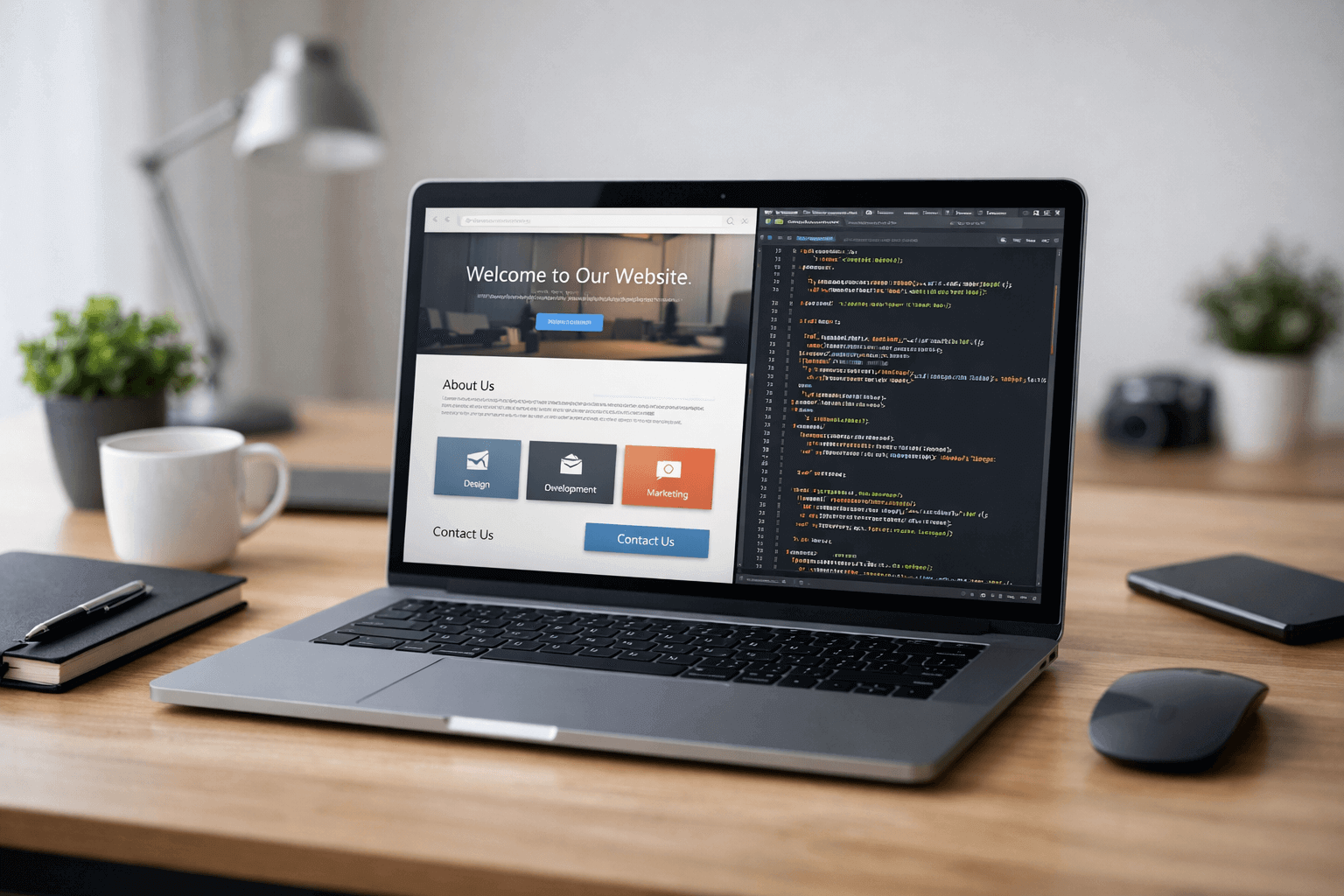
Web development, also commonly referred to as website development, is the process of creating, building, and maintaining websites and web applications for the internet or private networks (intranets). In simple terms, web development includes everything required to make a website work — from designing the layout and creating content to configuring servers and building interactive functionality. The complete web development process includes: Web Design: In simpler words, it is the process of gathering ideas and artistically arranging and executing them by certain principles for a detailed purpose. It is the parallel process of creation with the intention of presenting the content on electronic web pages.Web Content: Web content is one of the main reasons that individuals come to your web page. Basically, it is the textual-visual content that runs as a part of user experience on the website. It includes Images, Sounds, Videos and Animations as well.Network Configuration: Network Configuration is the method of shaping and continuing information about all the modules of a computer network. This configuration comprises the location and network address of all hardware devices following up with the material about the programs. A Brief History of the Web Let’s talk about the history of web development. It will give us a good reference point for talking about “what is web development” today. Web development started in a very different place than where it is now. Early web development consisted mostly of creating static HTML pages, and navigation was done exclusively by hyperlinks. An early web developer didn’t really create an “app.” They created a set of static web pages which were used to convey information and perhaps a few pictures, all linked together with hyperlinks. In order for web development to be useful, there needed to be a way to make web pages more interactive and to conditionally render some content (or other content), as well as to track some kind of state. Early web developers utilized a technology called CGI to create the earliest web applications which were able to conditionally generate HTML depending on data, like query strings, which were sent from the browser to the server. Then came along actual web development frameworks which were designed to make CGI and dynamic generation of HTML easier. You may have heard of technologies like ColdFusion or ASP. These were some of the early web frameworks which made web development much easier. Now a web developer could create HTML mixed with special tags and markup to make the generation of that HTML conditional and could also execute certain logic to determine what kind of HTML to produce for a given web page. This kind of technology worked like a templating language and allowed a huge number of developers to create web applications for the first time. Eventually with browser technology evolving and computers getting faster—as well as a growing demand for more complex applications—JavaScript started being used to expand the capabilities of many web applications. CSS also came along around this time to make it easier to style and change the style of web applications by giving HTML the role of defining content and CSS the role of defining the layout and style of that content. Developers kept on trying to find ways to make the web more and more dynamic. Rendering everything on the server was too slow and didn’t feel responsive, so technologies like AJAX (Asynchronous JavaScript and XML) were invented to allow web pages to update dynamically without refreshing the page. Eventually entire web applications were built dynamically without any page refreshes at all. These types of web applications are known as SPAs, or Single Page Applications. Ever been on a website, filled in some information on a form, pressed refresh, and the web page didn’t reload? That’s likely AJAX submitting the request. It makes it possible to dynamically change a web page without having to refresh it. Pretty cool stuff. The web continues to move forward as it evolves to be more and more like desktop applications of the past, with the browser really starting to act like an operating system. In fact, this has become so true that Google created a web-based OS called Chrome OS in which the OS is basically the Chrome web browser. One day everything will be hosted on the web because browsers will be powerful enough to run everything. It’s already moving in that direction as we see more and more Cloud-Based technologies popping up. Classification Of Web Development We can further classified web development in two groups: Front end development: It is a part of a code, on the front of the application. Front end development or client side development usually interacts with the user and it presents the data in a proper manner.Front-end developers are accountable for a website’s user-facing code and the design the immersive user experiences. In order to implement those intentions, front-end developers must be skillful at three main languages: HTML, CSS, and JavaScript programming. Back end development: In much simpler words, it is never visible to the user, it generates the results. The core responsibilities of back-end development are, sending contact form, editing page content and signing from newsletter. The back end of a website comprises of a server, an application, and a database. A back-end developer shapes and maintains the technology that powers those components, it enable the user-facing side of the website to even be in the first place. Therefore, Back-end developer receives and front-end developer’s implements. Why web development is so important ? The modern business world is evolving and website development is growing rapidly around the glob as a tool of business development. For your business to generate more businesses, your brand has to be seen by the customer, they need to here your promotions and taste what you have to offer and you need to reach your goal. Web development is the best platform to make these thing happen. Here are the five critical reasons for business that will definitely clear your doubts about why web development is important. If you come

Guy Hawkins
Founder
So Cute! Made in India. Organic Cotton.
"Such a cute little sweatshirt. My son loves this shirt. It’s really soft and he said he likes to cuddle while he’s wearing it lol. Nulla Lorem mollit cupidatat irure. Laborum magna nulla duis ullamco cillum dolor. Voluptate exercitation incididunt aliquip "

James Peter
CTO/CO-Fouder
So Cute! Made in India. Organic Cotton.
"Such a cute little sweatshirt. My son loves this shirt. It’s really soft and he said he likes to cuddle while he’s wearing it lol. Nulla Lorem mollit cupidatat irure. Laborum magna nulla duis ullamco cillum dolor. Voluptate exercitation incididunt aliquip "

Peek Thakul
Founder
So Cute! Made in India. Organic Cotton.
"Such a cute little sweatshirt. My son loves this shirt. It’s really soft and he said he likes to cuddle while he’s wearing it lol. Nulla Lorem mollit cupidatat irure. Laborum magna nulla duis ullamco cillum dolor. Voluptate exercitation incididunt aliquip "
Jona Thakul
Founder
So Cute! Made in India. Organic Cotton.
"Such a cute little sweatshirt. My son loves this shirt. It’s really soft and he said he likes to cuddle while he’s wearing it lol. Nulla Lorem mollit cupidatat irure. Laborum magna nulla duis ullamco cillum dolor. Voluptate exercitation incididunt aliquip "
