
A Complete Guide to Benefits, Risks of Not Having One, and Real Business Impact
In 2026, having a website is no longer optional—it is a core business requirement. Whether you run a startup, local business, service-based company, or an established brand, your website acts as your digital headquarters.
Customers today expect businesses to be online, searchable, credible, and accessible 24/7. If your business doesn’t have a website, you’re not just missing opportunities—you’re actively losing customers to competitors who do.
This detailed guide explains why every business needs a website in 2026, the benefits, the risks of not having one, and how it directly affects trust, sales, and growth.
What a Website Means for a Business in 2026
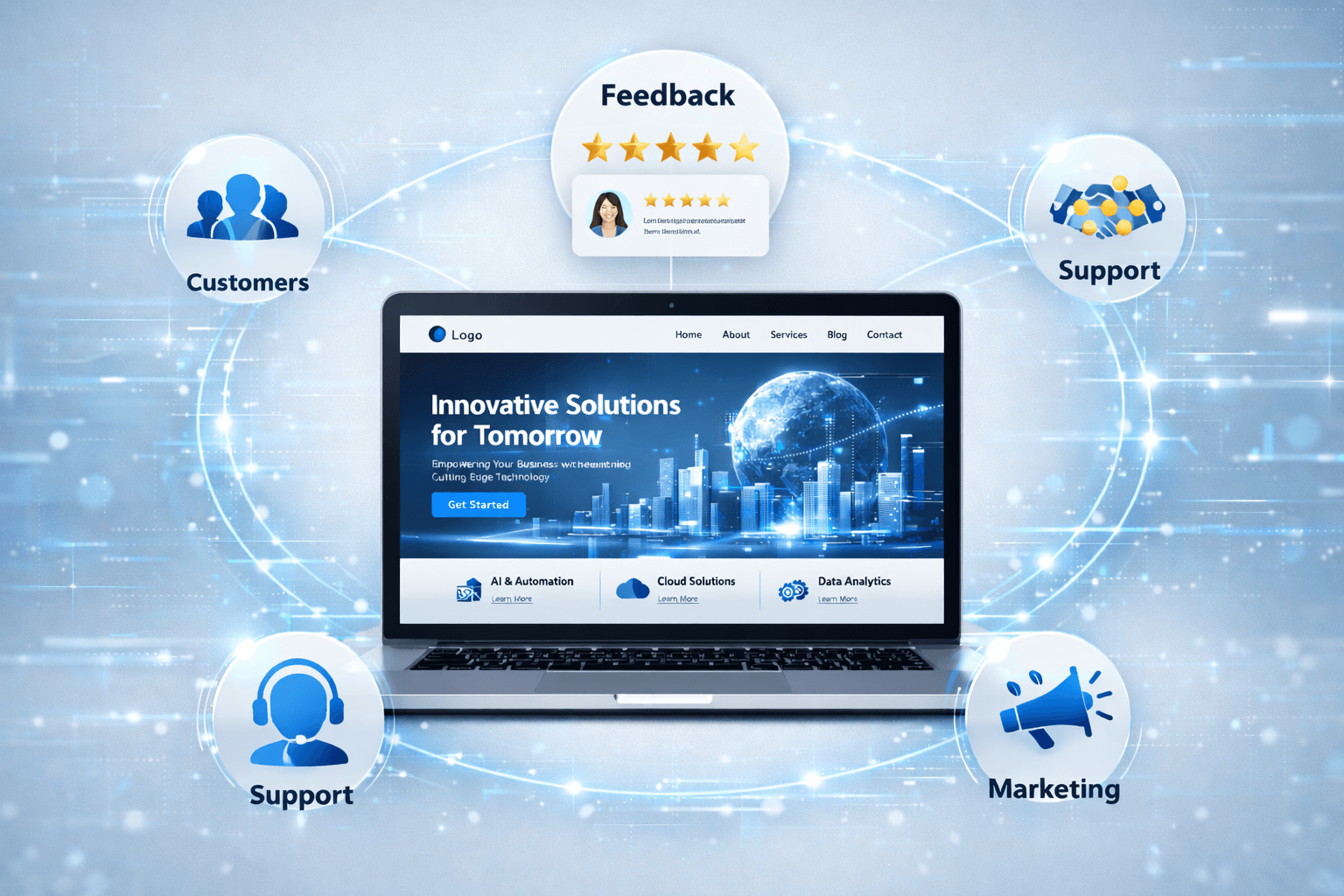
A website is no longer just an “online brochure.” In 2026, a business website functions as:
- A trust-building platform
- A 24/7 sales and lead-generation system
- A brand authority hub
- A customer support and information center
- A marketing and analytics engine
In many cases, your website is the first and most important interaction customers have with your brand.
Top Benefits of Having a Website in 2026
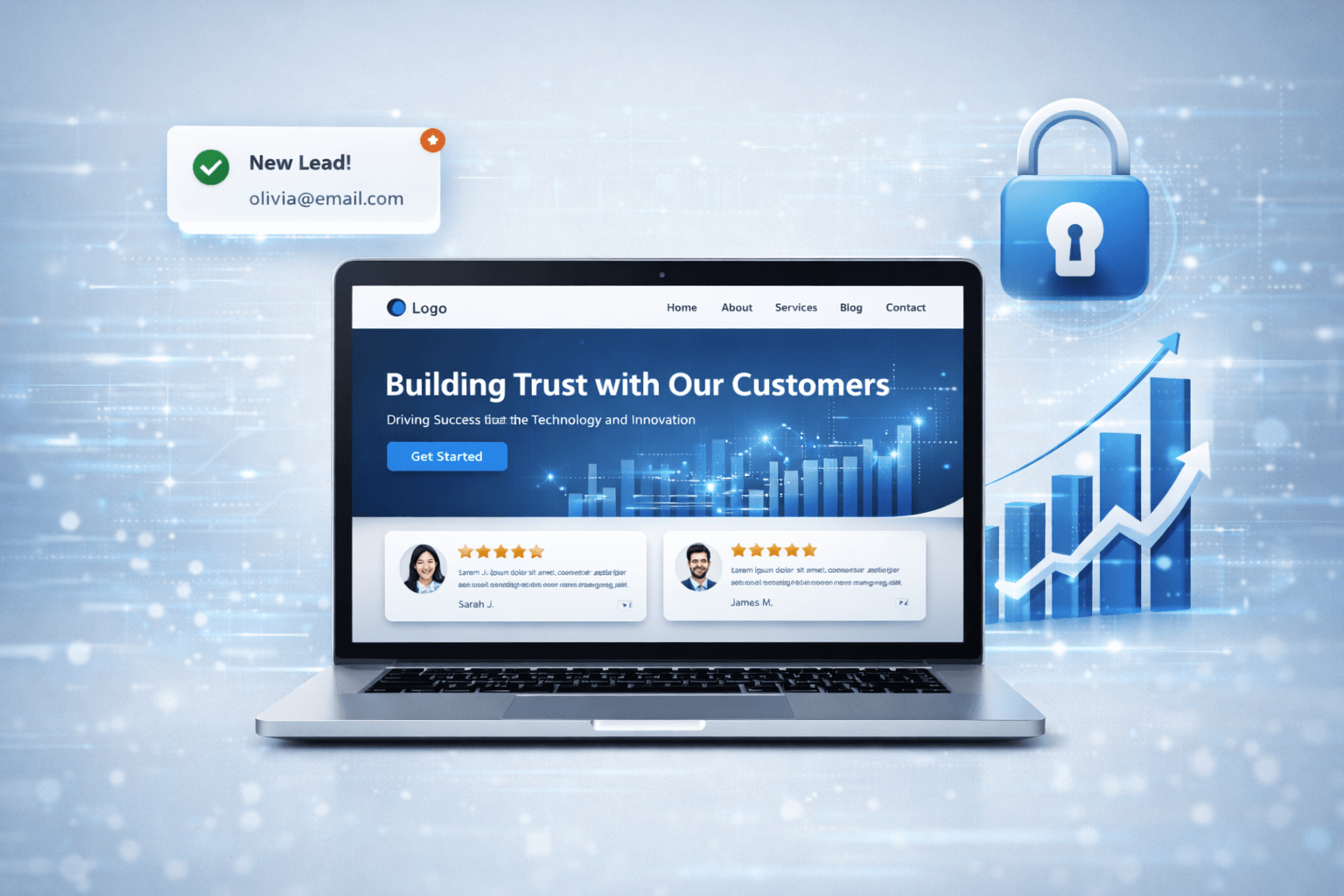
1. Builds Instant Trust & Credibility
Today’s customers research before they buy. If they search for your business and can’t find a website, it raises red flags.
A professional website:
- Shows your business is legitimate
- Displays testimonials, reviews, and case studies
- Clearly explains your services or products
- Creates confidence before the first contact
👉Without a website, many customers assume the business is outdated or unreliable.
2. You Are Discoverable on Google (SEO Advantage)
In 2026, most buying journeys still begin with a Google search.
A website allows your business to:
- Appear in search results
- Rank for service-related keywords
- Attract organic (free) traffic
- Compete with larger brands locally and globally
Website vs No Website: Search Visibility
| Factor | With Website | Without Website |
| Google visibility | High | Almost none |
| Organic leads | Yes | No |
| Local search presence | Strong | Weak |
| Long-term traffic | Grows over time | Zero |
No website = no search traffic = lost customers every day.
3. 24/7 Availability = More Sales
Unlike physical stores or phone support, a website works 24 hours a day, even when you’re offline.
Your website can:
- Collect inquiries while you sleep
- Sell products automatically
- Book appointments
- Answer FAQs
- Educate customers before sales calls
This turns your website into a non-stop sales assistant.
4. Full Control Over Your Brand
Relying only on social media platforms is risky.
With a website:
- You own your content
- You control the design and messaging
- You are not dependent on algorithms
- You are protected from account bans or platform changes
Website vs Social Media Only Presence
| Aspect | Website | Social Media Only |
| Ownership | 100% yours | Platform-owned |
| Algorithm dependency | None | High |
| Custom branding | Full | Limited |
| Stability | Long-term | Unpredictable |
Social media supports your business—but your website anchors it.
5. Converts Visitors into Leads & Customers
A well-designed website is built for conversion.
It can include:
- Clear call-to-actions (CTAs)
- Contact forms
- WhatsApp or chat integration
- Email capture
- Product pages
- Pricing and service breakdowns
Without a website, interested users often don’t know what to do next, leading to lost leads.
6. Improves Customer Experience
Customers expect answers instantly. A website helps by providing:
- Service details
- Pricing information
- Company background
- Policies and FAQs
- Contact options
This reduces repetitive inquiries and improves customer satisfaction.
7. Data, Analytics & Business Insights
A website allows you to track:
- Visitor behavior
- Traffic sources
- Popular pages
- Conversion rates
- Customer interests
This data helps you:
- Improve marketing decisions
- Optimize services
- Increase ROI
Without a website, your decisions are based on guesswork, not data.
How Businesses Lose Customers Without a Website
Not having a website directly results in lost trust, lost visibility, and lost revenue.
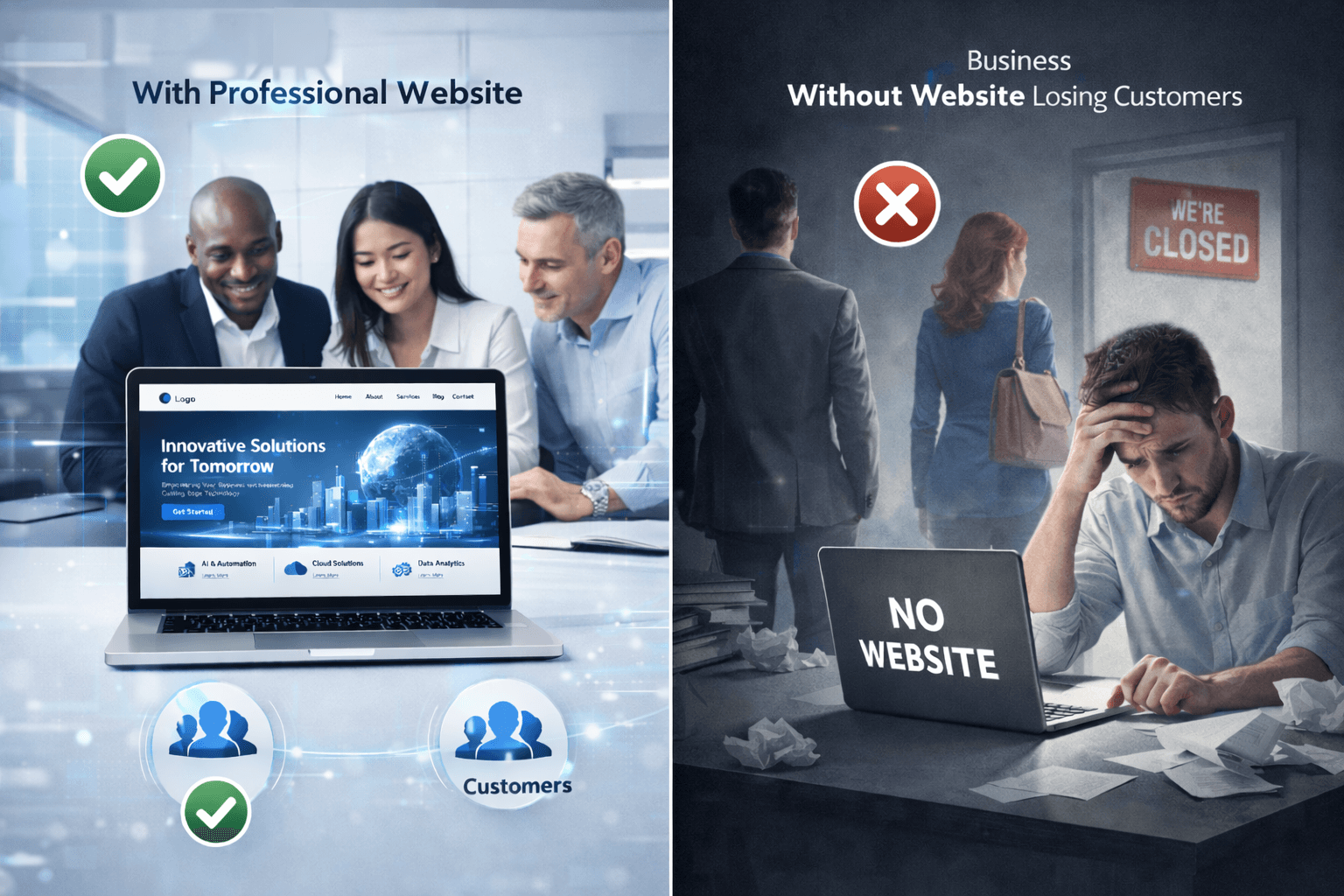
Common Customer Drop-Off Scenarios
| Situation | What Customer Thinks | Result |
| No website found | “Is this business legit?” | Leaves |
| Only social media | “Where are the details?” | Confused |
| No pricing info | “Too risky” | Drops inquiry |
| No contact clarity | “Hard to reach” | Chooses competitor |
Customers rarely tell you they left—they simply move on.
Impact on Small & Local Businesses
For local businesses in 2026:
- Customers search before visiting
- Google Maps + website decides foot traffic
- Reviews + website influence trust
A website helps local businesses:
- Appear in local searches
- Display services and location clearly
- Compete with larger brands
No website means local customers go elsewhere.
Cost vs Value: Website as an Investment
Common Misconception
“A website is an expense.”
Reality
A website is a revenue-generating asset.
| Factor | Website |
| One-time setup | Yes |
| Long-term returns | High |
| Scalability | Unlimited |
| Cost per lead | Decreases over time |
In most cases, a website pays for itself faster than any other marketing channel.
Website in 2026: Not Just Design, But Strategy

Modern websites focus on:
- Mobile-first experience
- Fast loading speed
- SEO optimization
- Conversion-driven layouts
- Security & performance
A properly built website becomes the foundation of all digital marketing efforts.
Final Thoughts: Website Is No Longer Optional
In 2026:
- Customers expect professionalism
- Search visibility defines growth
- Trust drives conversions
- Competition is just one click away
Businesses Without a Website:
❌ Lose credibility
❌ Miss daily leads
❌ Depend on third-party platforms
❌Fall behind competitors
Businesses With a Website:
✅ Build trust
✅ Generate leads 24/7
✅ Control brand identity
✅ Scale faster
Ready to Build or Upgrade Your Website?
If you want a modern, high-performing business website designed to attract, convert, and grow your audience, our Website Development Services can help you build a future-ready digital presence.
